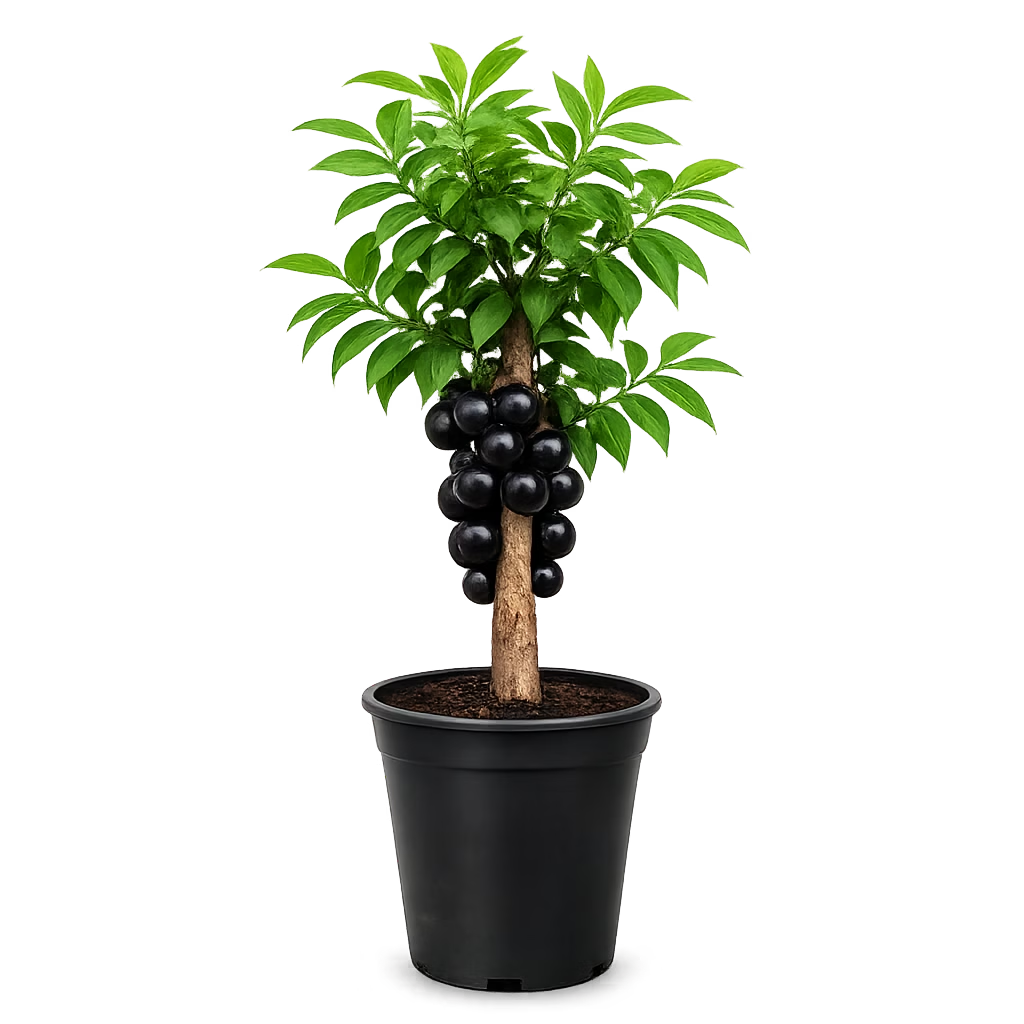
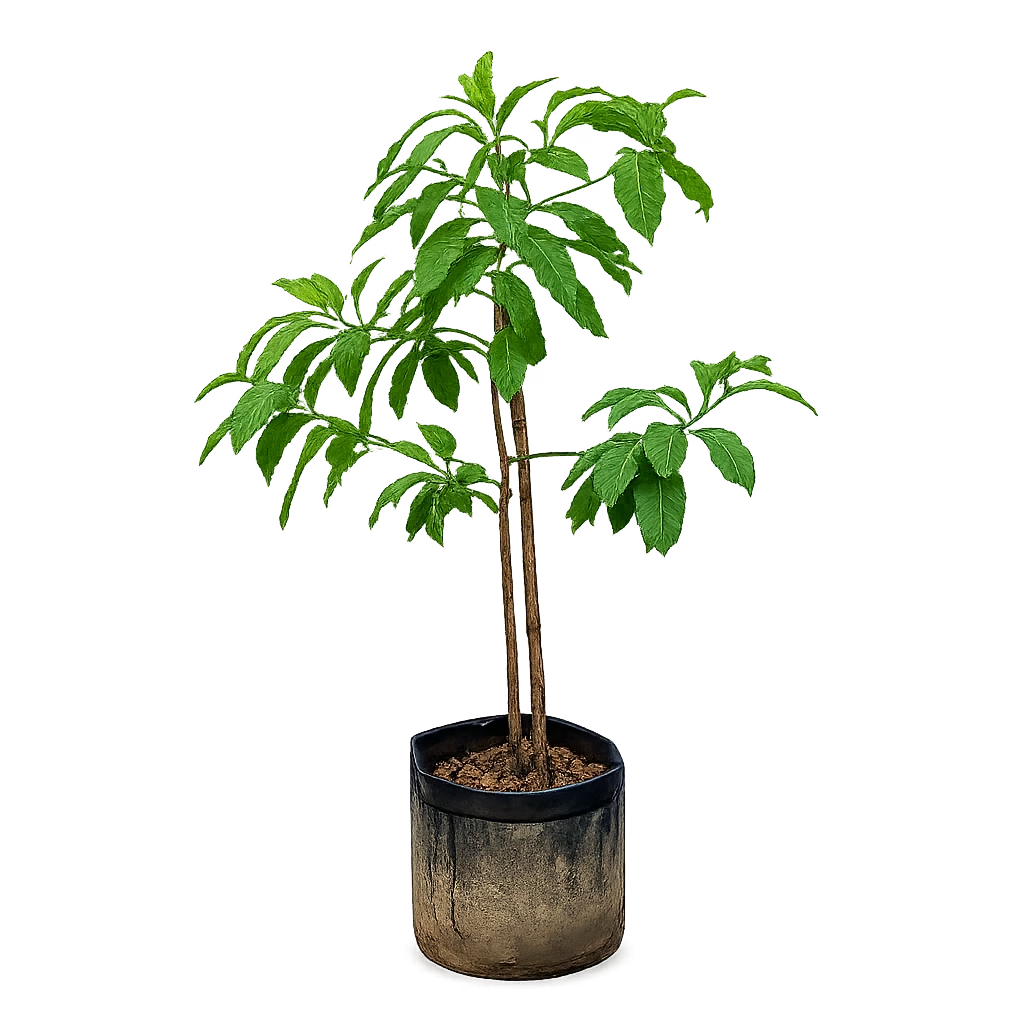
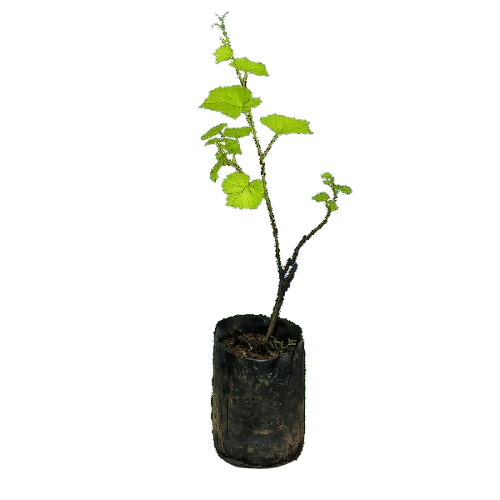
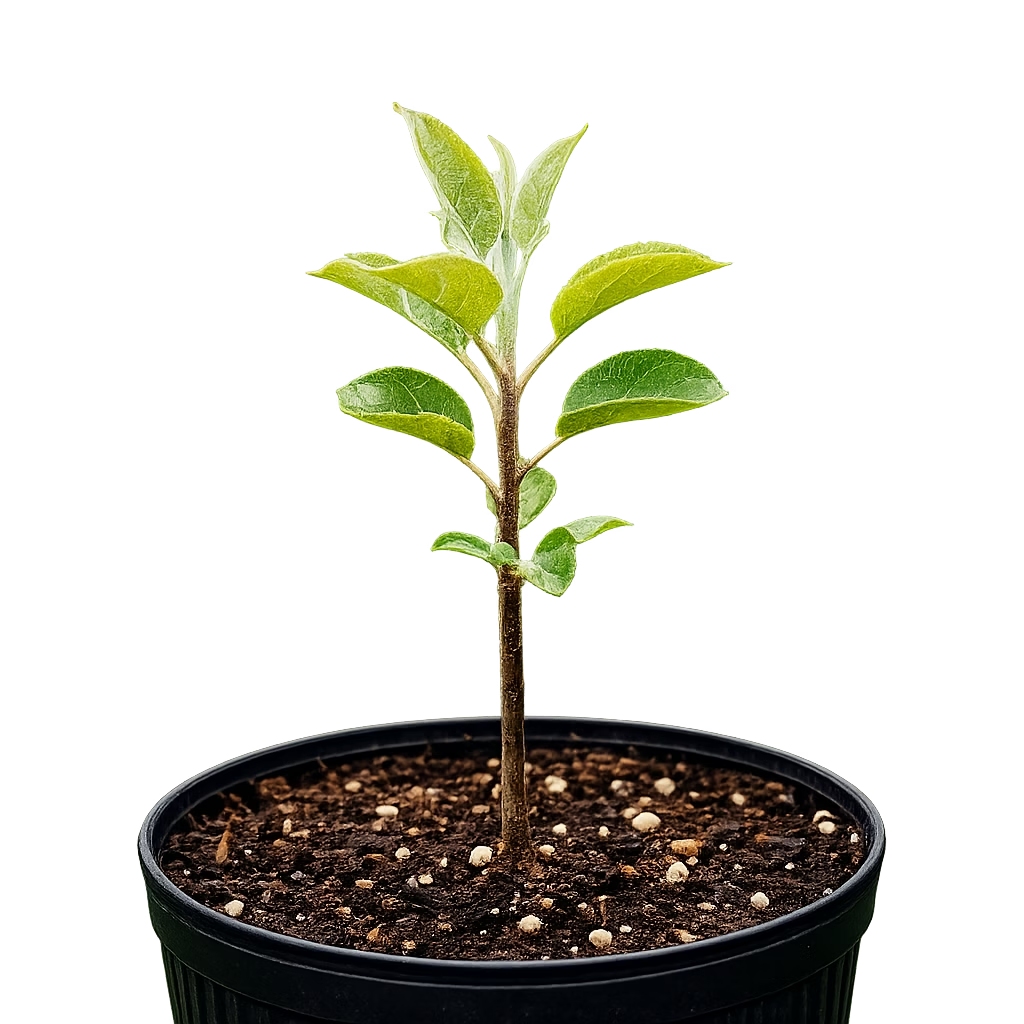
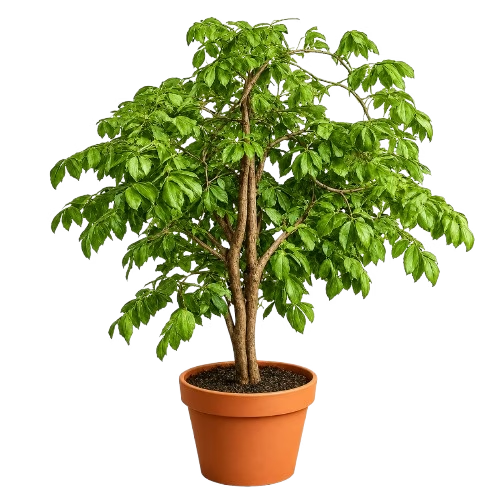
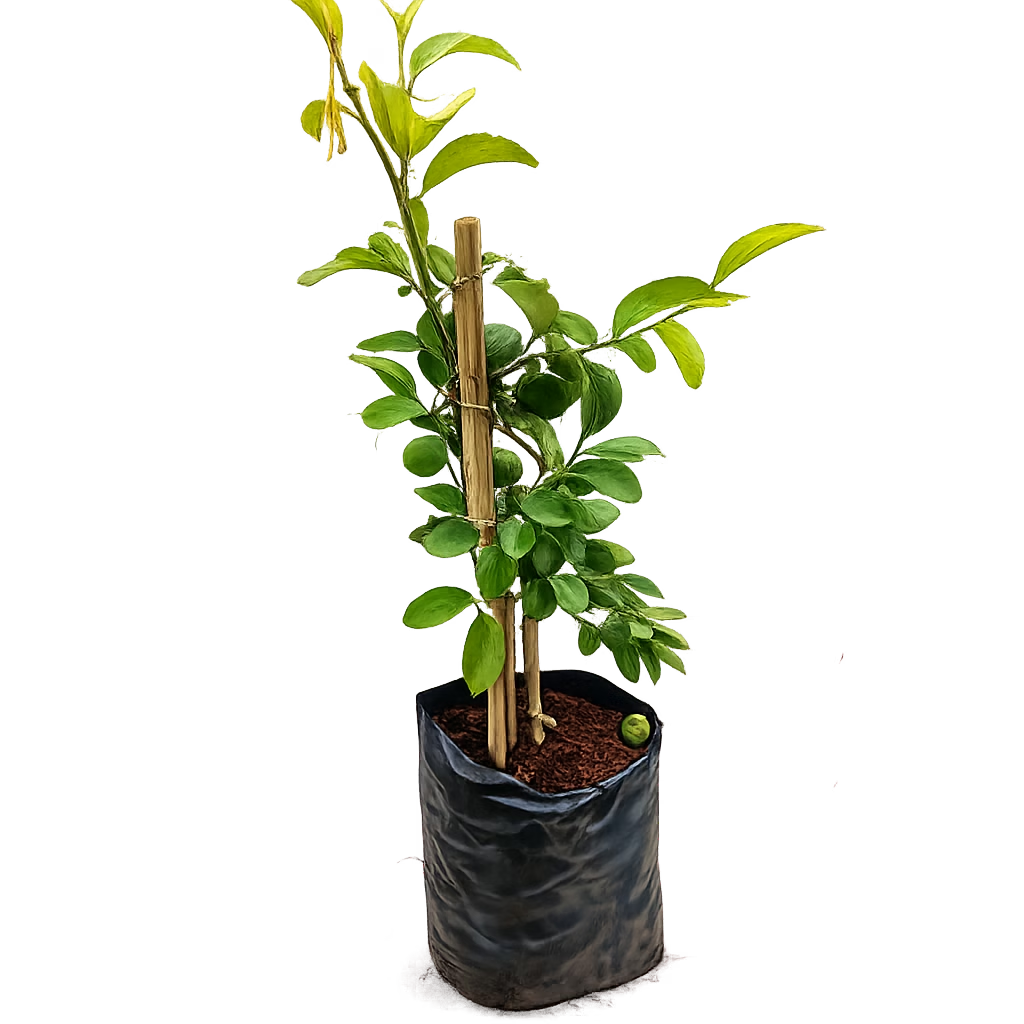
Jaboticaba is a rare and exotic tropical fruit tree native to Brazil, famous for its unique habit of producing grape-like fruits directly on its trunk and branches. The dark purple to black fruits have a sweet, juicy, aromatic pulp with a pleasant grape-like flavor, making them highly prized for fresh consumption. Grafted Jaboticaba plants typically begin bearing fruits within 3–5 years under proper care, while seed-grown plants may take significantly longer.
Jaboticaba thrives in warm tropical and subtropical climates and grows best in fertile, slightly acidic, well-drained soil with regular watering and full to partial sunlight. The evergreen tree is slow-growing, ornamental, and capable of producing multiple harvests throughout the year under favorable conditions. Rich in Vitamin C, antioxidants, anthocyanins, and dietary fiber, the fruits are ideal for fresh eating, juices, jams, jellies, wines, and desserts. Its unique fruiting habit, exceptional taste, and ornamental beauty make Jaboticaba one of the most sought-after exotic fruit trees.
- Category:
- Exotic Fruit Plants
- Share:
Jaboticaba is a rare and exotic tropical fruit tree native to Brazil, famous for its unique habit of producing grape-like fruits directly on its trunk and branches. The dark purple to black fruits have a sweet, juicy, aromatic pulp with a pleasant grape-like flavor, making them highly prized for fresh consumption. Grafted Jaboticaba plants typically begin bearing fruits within 3–5 years under proper care, while seed-grown plants may take significantly longer.
Jaboticaba thrives in warm tropical and subtropical climates and grows best in fertile, slightly acidic, well-drained soil with regular watering and full to partial sunlight. The evergreen tree is slow-growing, ornamental, and capable of producing multiple harvests throughout the year under favorable conditions. Rich in Vitamin C, antioxidants, anthocyanins, and dietary fiber, the fruits are ideal for fresh eating, juices, jams, jellies, wines, and desserts. Its unique fruiting habit, exceptional taste, and ornamental beauty make Jaboticaba one of the most sought-after exotic fruit trees.
| Planting method | Dig a suitable pit and fill it with fertile, well-drained soil. Place the plant in the center and cover the roots with soil.Water thoroughly after planting and maintain regular watering. |
|---|---|
| Pit size | 2 ft × 2 ft × 2 ft |
| Canopy width | Varies by plant variety |
| Canopy height | Varies by plant variety |
| Season | Best planted during the growing season |
| Shade tolerance | Partial shade to full sunlight |
| Ideal location | Garden, landscape, courtyard, or open outdoor area |
Ideal growing conditions:
| Temperature | 20°C – 35°C |
|---|---|
| Rainfall | Moderate and regular rainfall |
| Relative humidity | 60% – 80% |
| Soil pH | 6.0 – 7.5 |
| Soil | Fertile, well-drained soil |
| Elevation | Suitable for low to moderate elevations |
![NJAVAL [BLACK, WHITE; THAI KING]](/media/products/content_-_2026-07-24T104744.387.avif)