Our Story
Our Story
Chirayil - A Land with a Rich Heritage
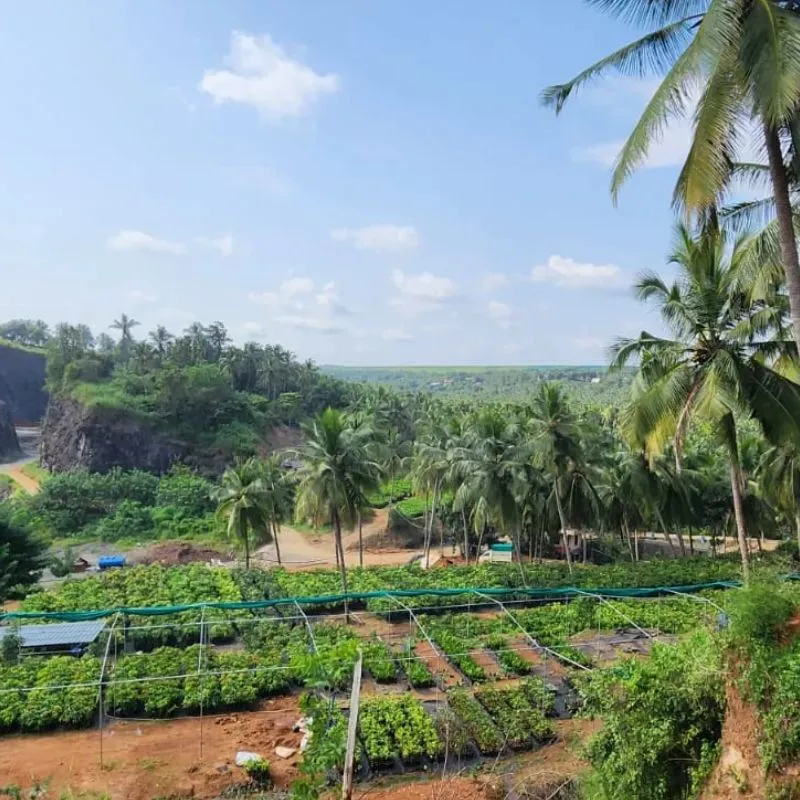
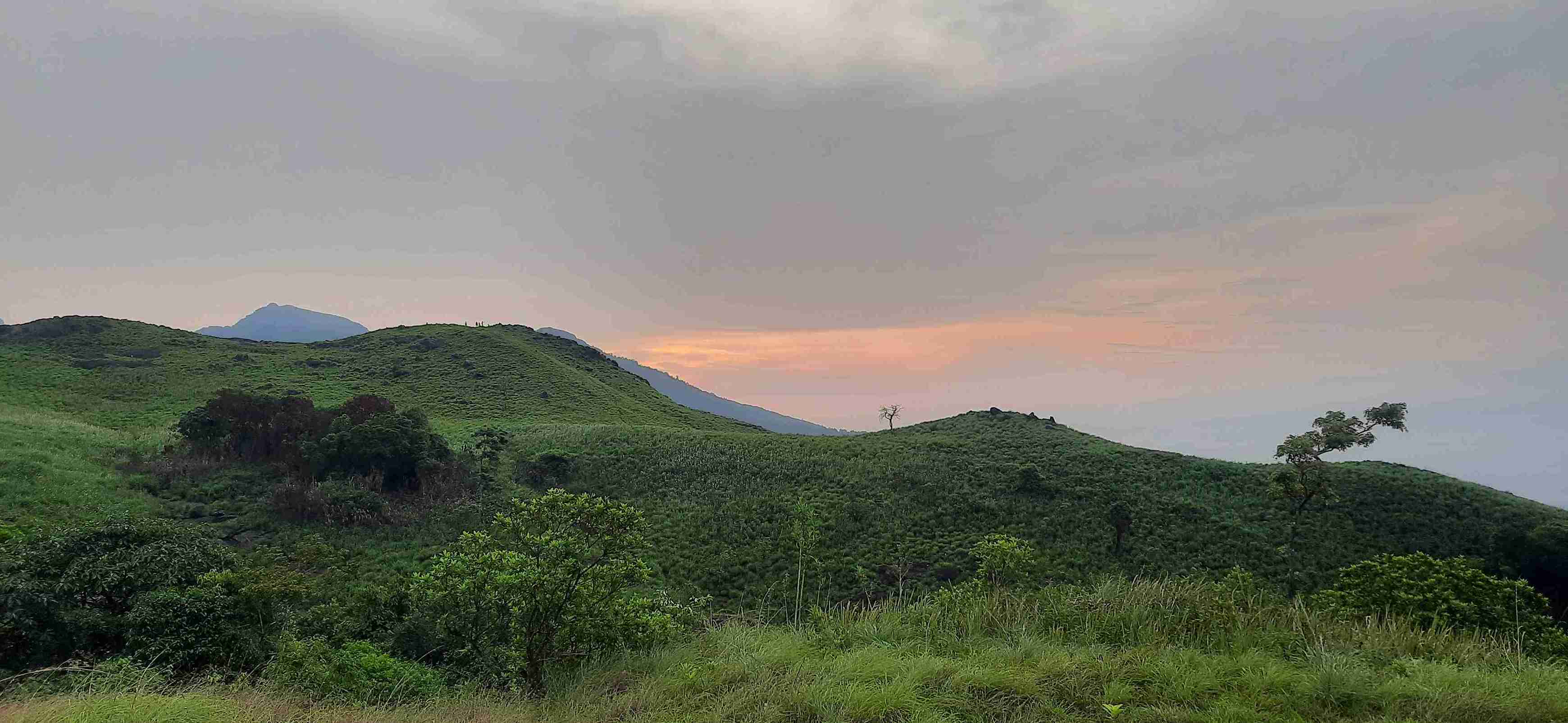
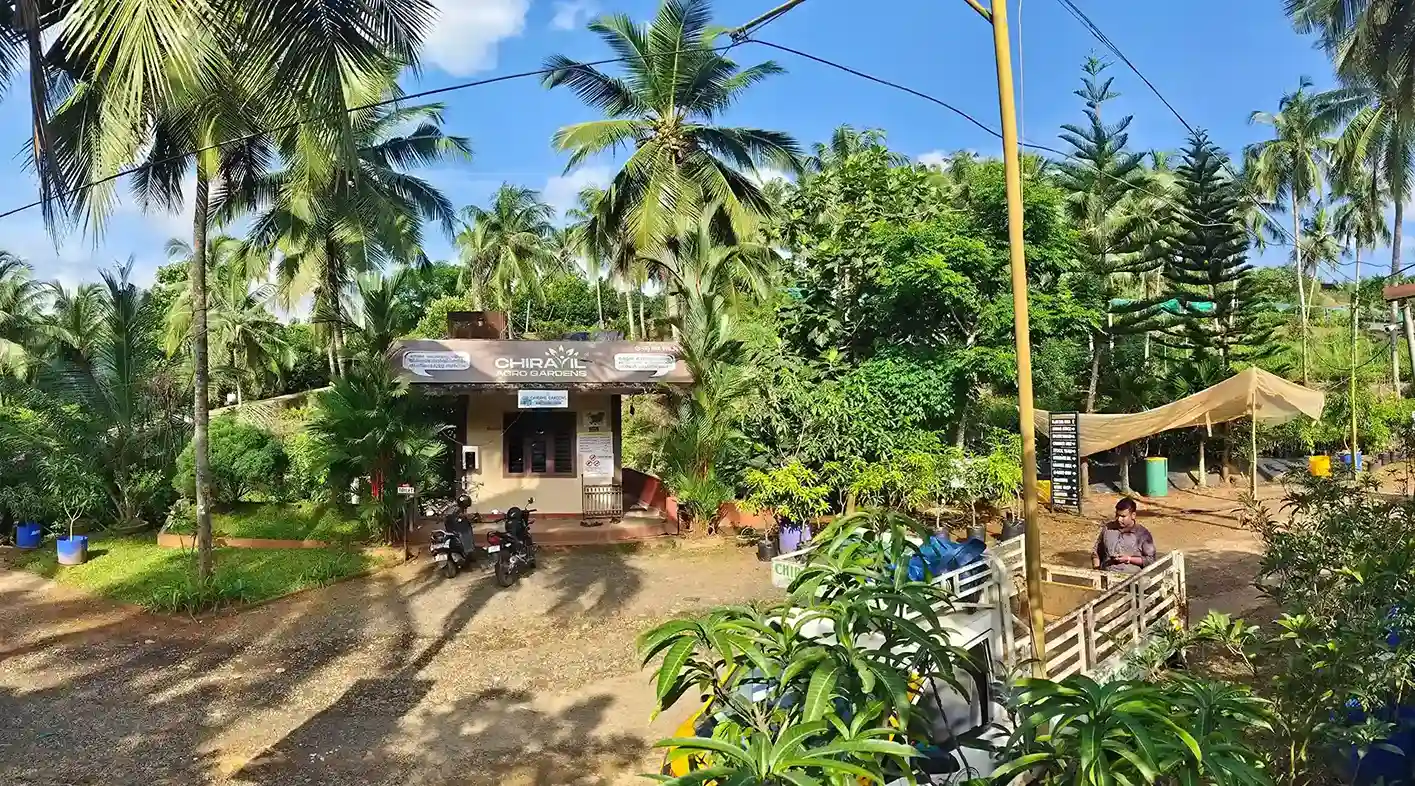
Chirayil was one of the prominent regions of Nediyiruppu, the historic seat of the Zamorin dynasty. It has been inhabited since prehistoric times. Long ago, this land was covered with forests, hills, streams, and natural ponds. Today, it has grown into a thriving region with educational institutions, industrial establishments, and the presence of an international airport. It is here that Chirayil Gardens has taken root.
A Garden Built on Rocky Terrain
One of our greatest joys is hearing visitors say that Chirayil Gardens is a feast for the eyes. People who visit us to learn about our diverse fruit saplings and scientific propagation techniques are often curious about one thing-how this transformation was achieved.
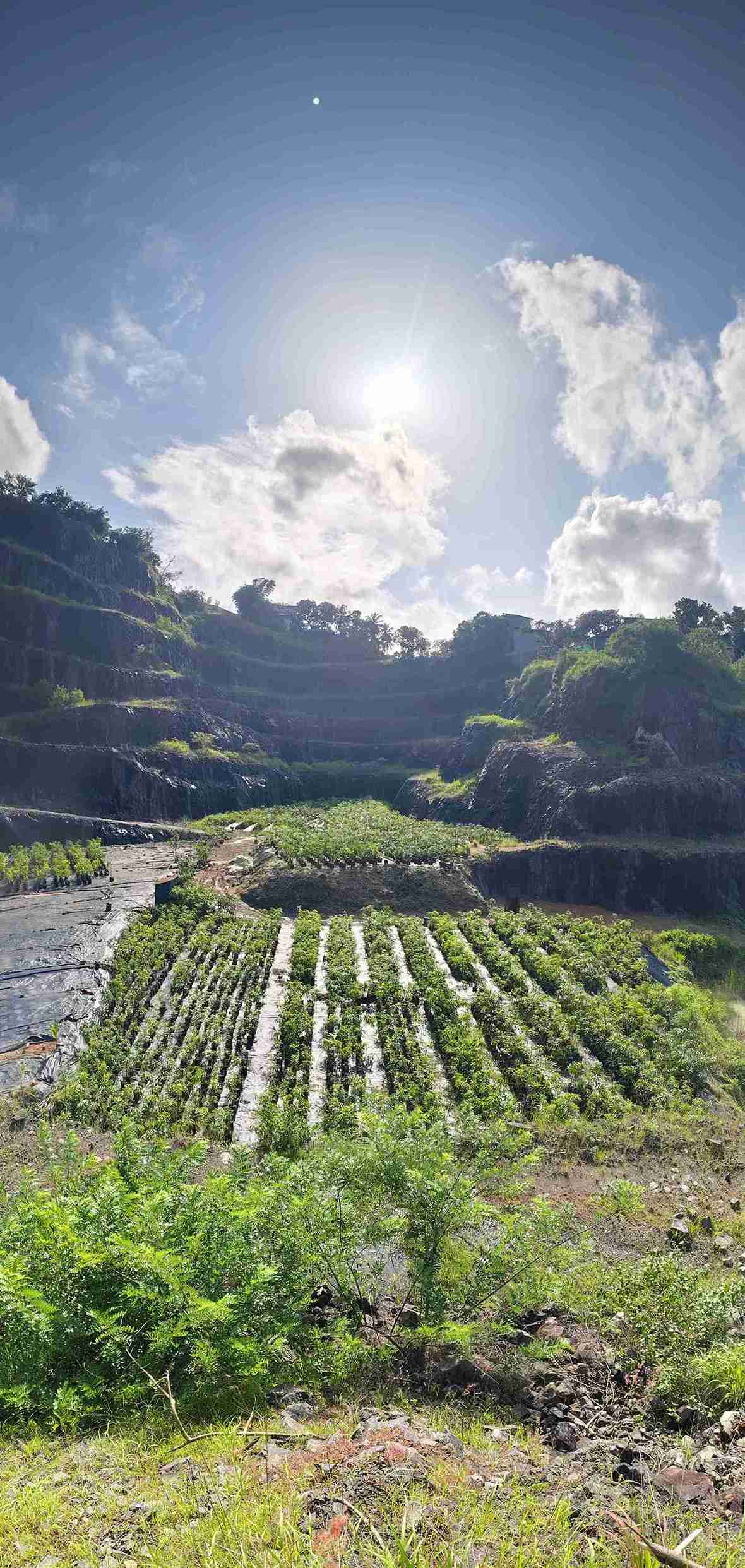
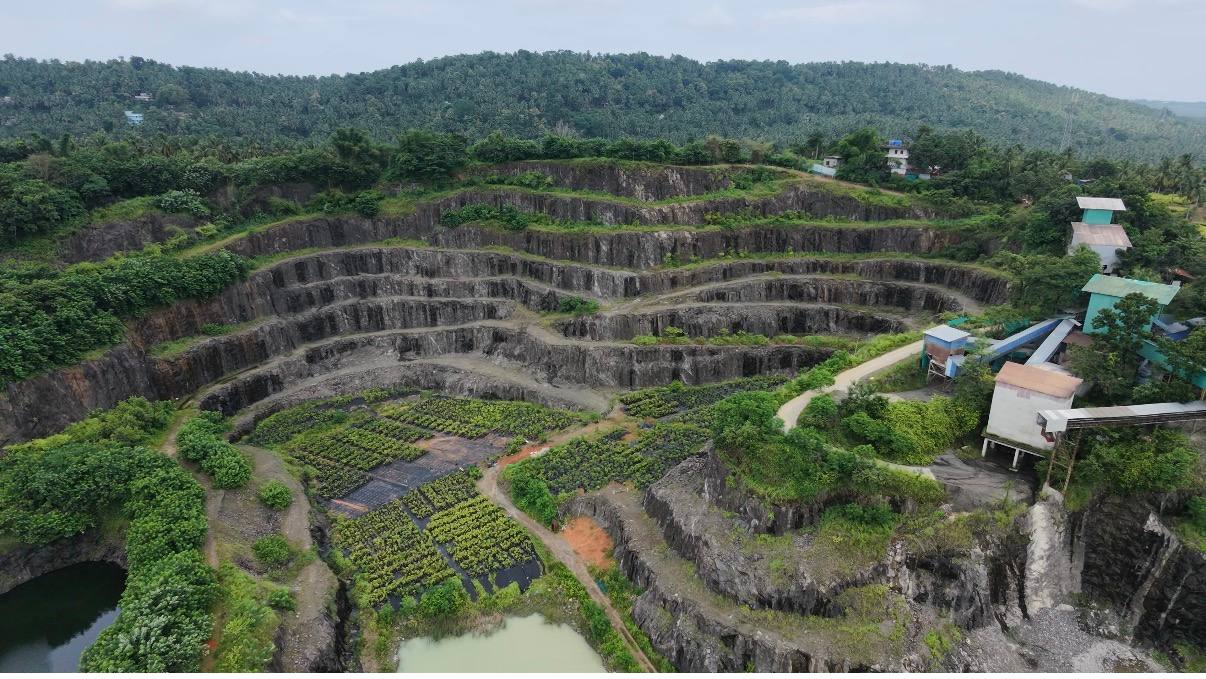
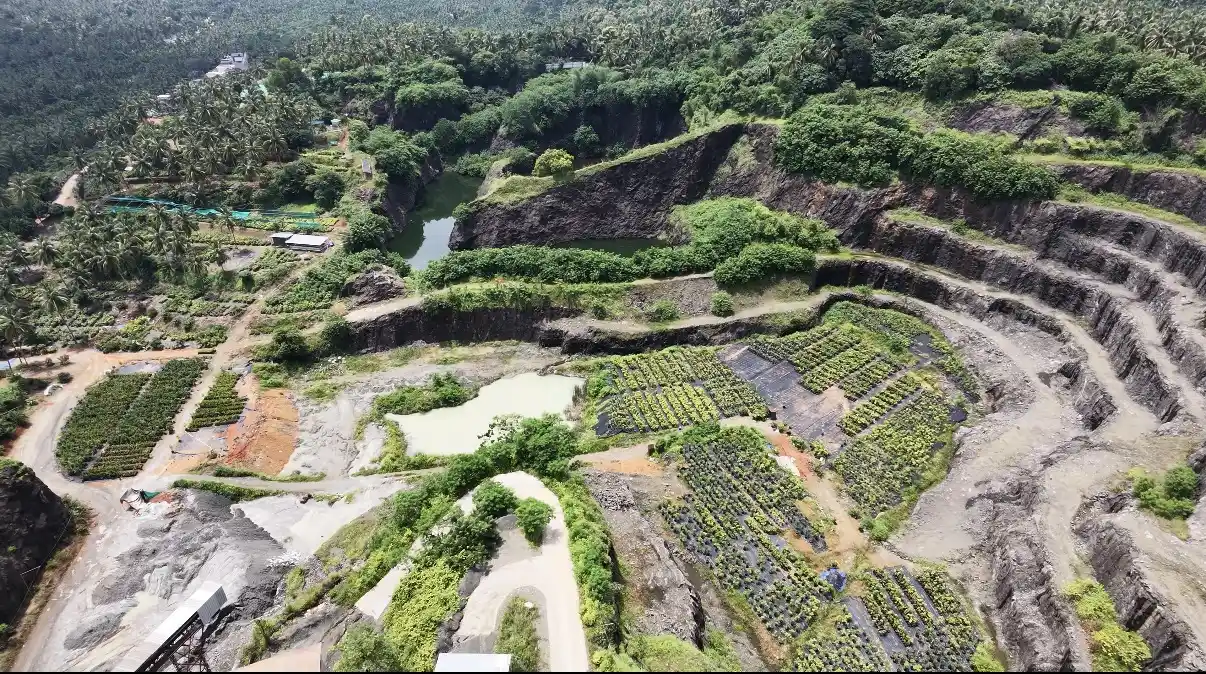
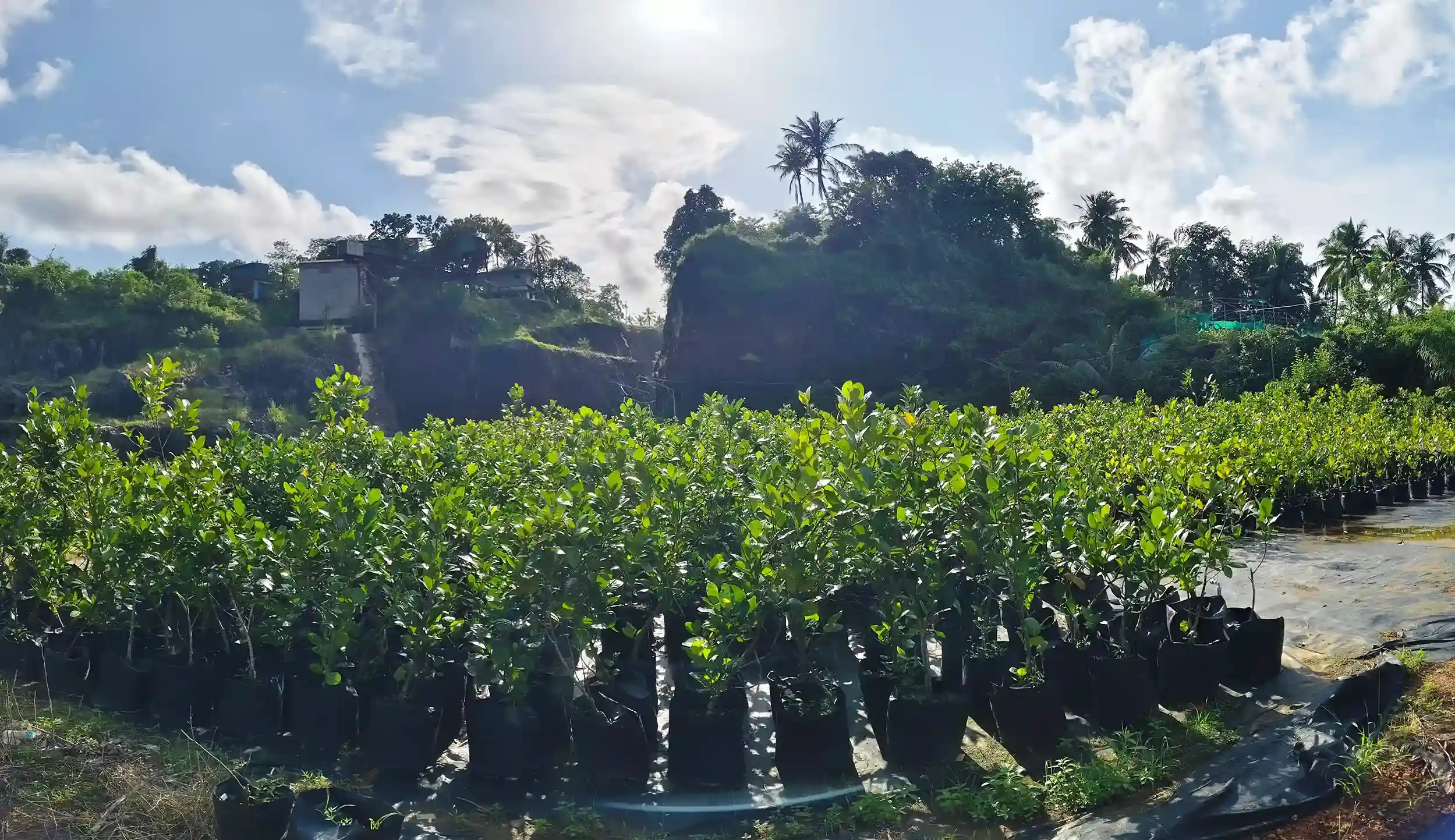
This land was once a vast expanse of hard black rock, covering nearly 20 acres, where nothing could grow. In 1992, Chirayil Granite was established here. The area later became a quarry, and after years of extraction, we transformed it into a beautiful man-made forest and established Chirayil Gardens. We knew that the quarry licence would expire on 19th January 2024. At that time, more than fifty workers were directly employed there. We were concerned about the future of these workers and their families once quarry operations ceased. This led us to search for a sustainable alternative that would suit the region while continuing to provide employment.
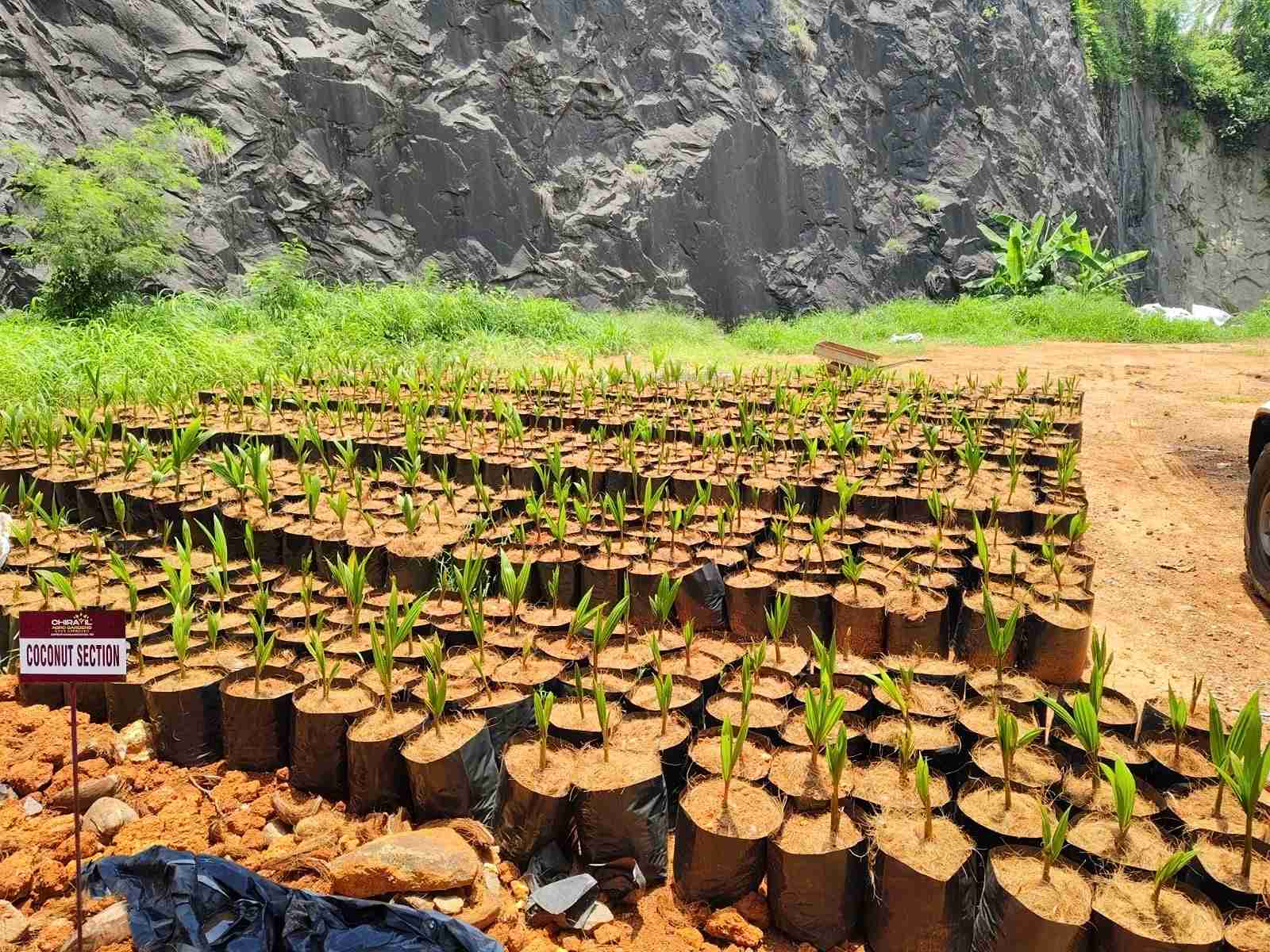
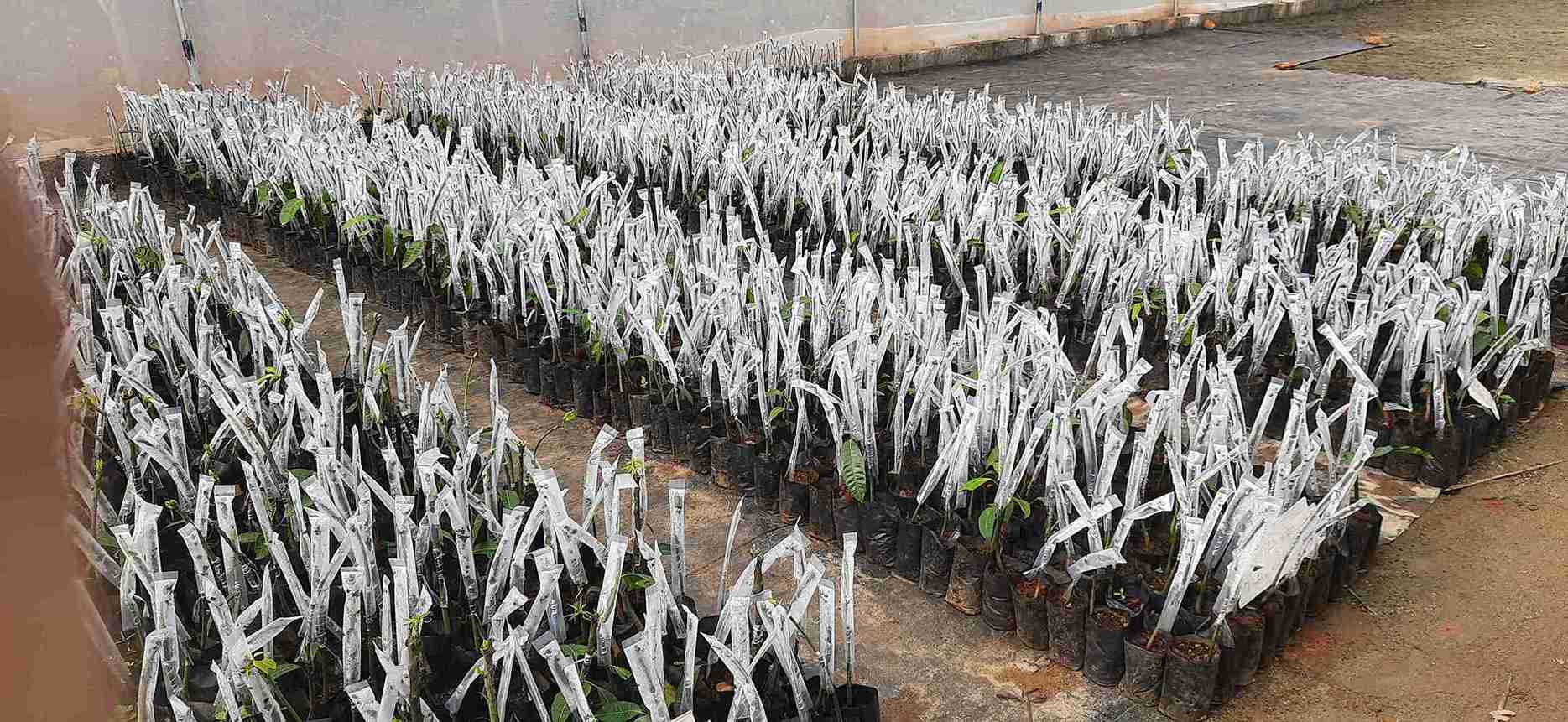
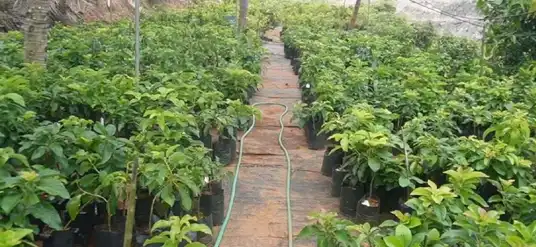
We realized that there was no large-scale nursery in the Malabar region dedicated to producing high-quality planting materials. Nurseries across Kasaragod, Kannur, Wayanad, Kozhikode, Malappuram, and Palakkad were willing to collaborate with us if we could consistently supply quality saplings. We identified scientific propagation of high-yield varieties of mango, jackfruit, rambutan, cashew, black pepper, coconut, arecanut, avocado, jathikka, chikku, longan, chambakka, Kudampuli and other crops as a promising venture with excellent employment and income potential. Thus, the concept of Chirayil Gardens was born. Our mission became identifying superior mother trees and propagating them through budding, grafting, and layering techniques to supply quality planting materials to nurseries.

Transformation
Before and After
Slide the divider to compare the quarry terrain with the green landscape Chirayil Gardens has become.
After
Before
Training Workers for a New Beginning
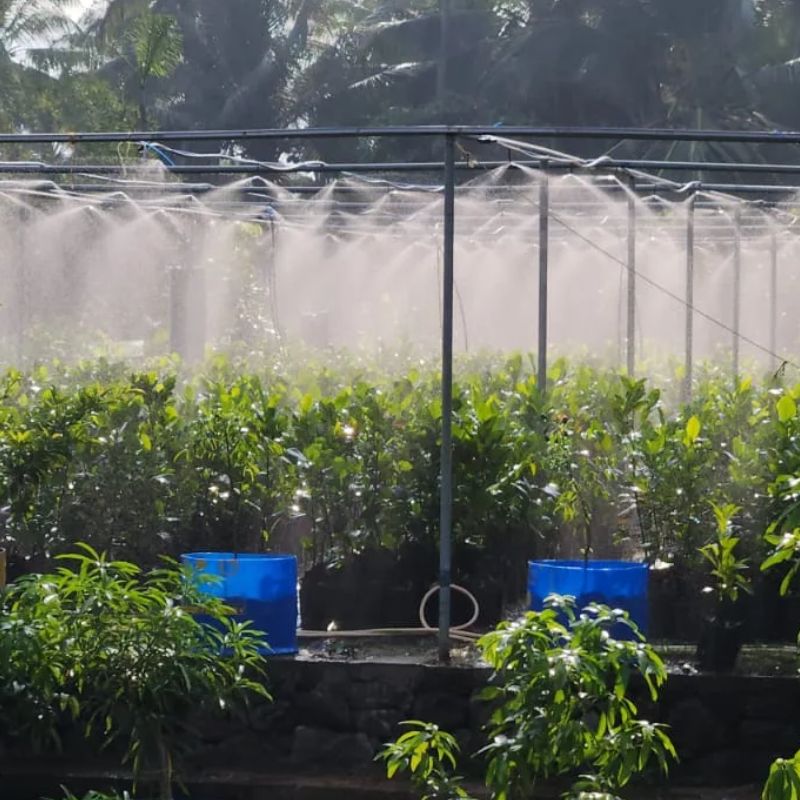
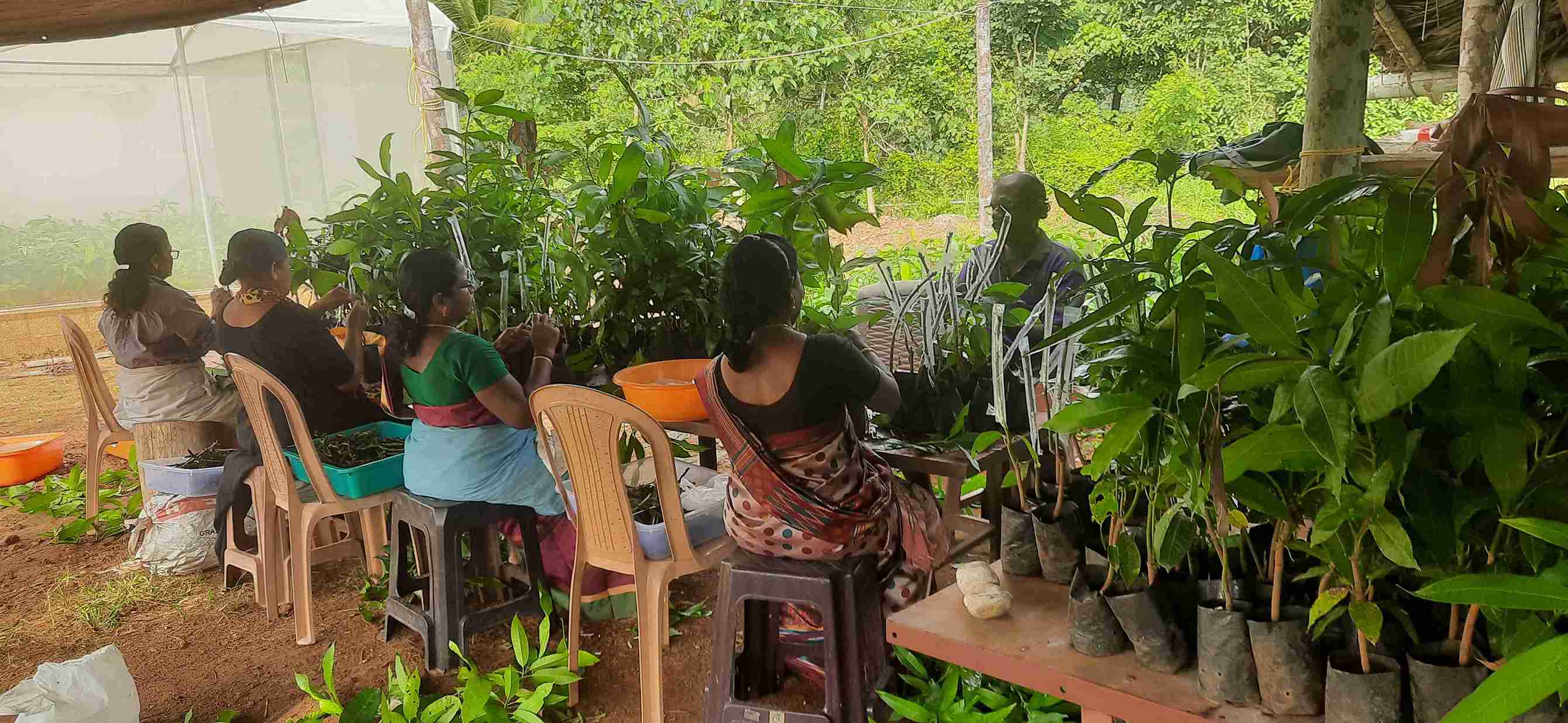
In March 2021, our first step was appointing a Farm Manager with a B.Sc. in Agriculture. Since the quarry workers had no prior experience in plant propagation, we provided them with comprehensive training and equipped them to manage nursery operations. On 1 April 2022, the farm received official approval from the Department of Agriculture, opening new opportunities for expansion. Four years of dedicated effort have transformed Chirayil Agro Farm into a thriving centre for rare fruit tree saplings. We produce indigenous varieties, exotic fruit species adapted to local conditions, and many other plants and fruit trees suited to our climate.
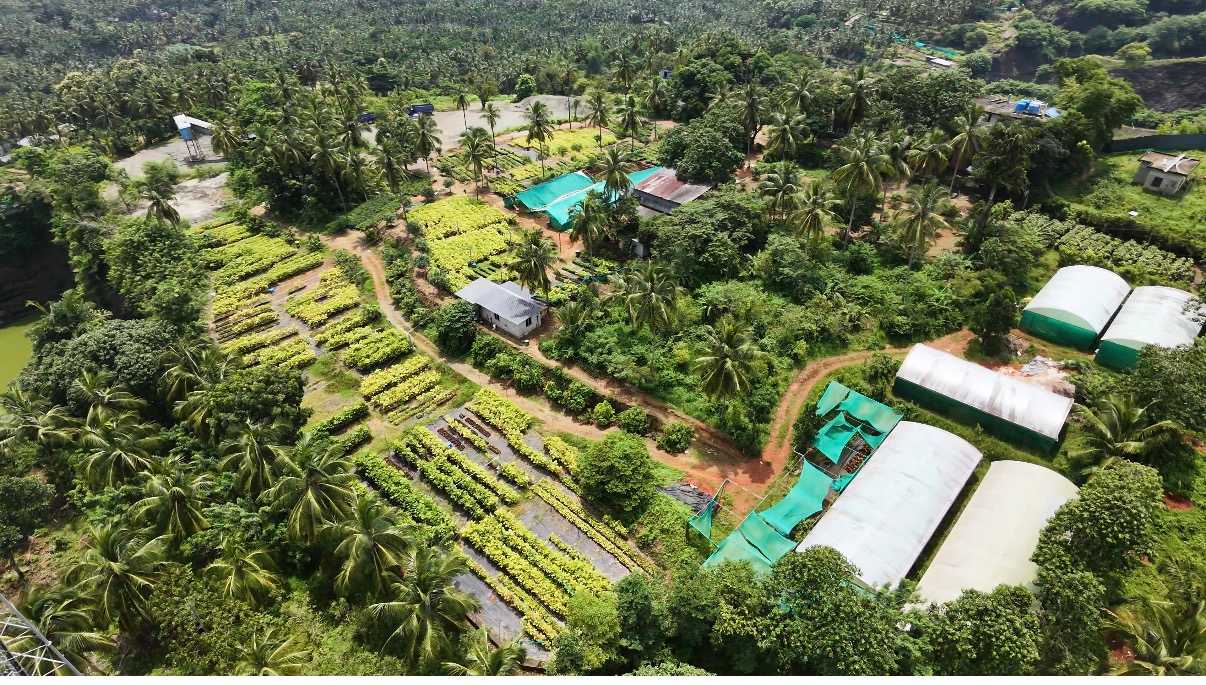
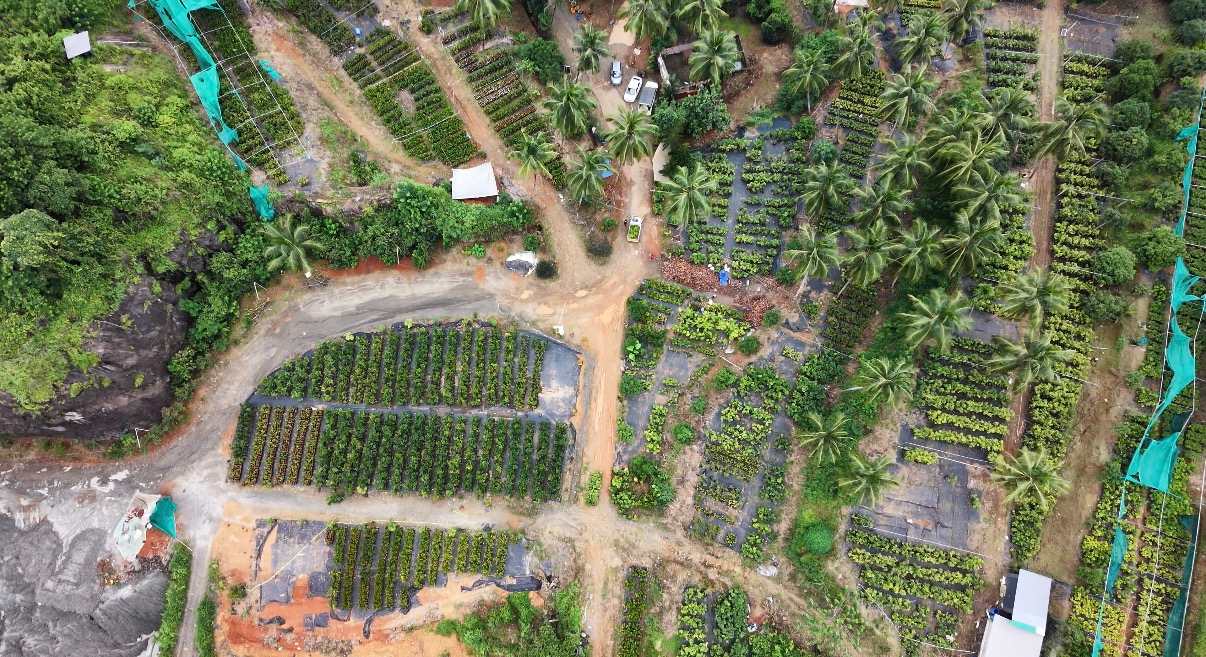
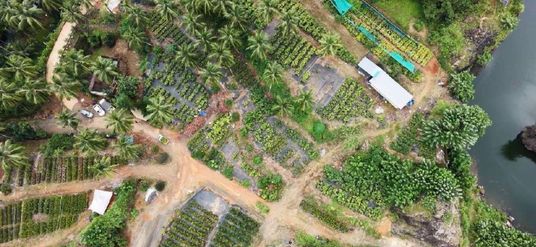
Spread Across 36 Acres
The garden spans 26 acres in total.
- 5 acres are dedicated to a man-made forest and water reservoir.
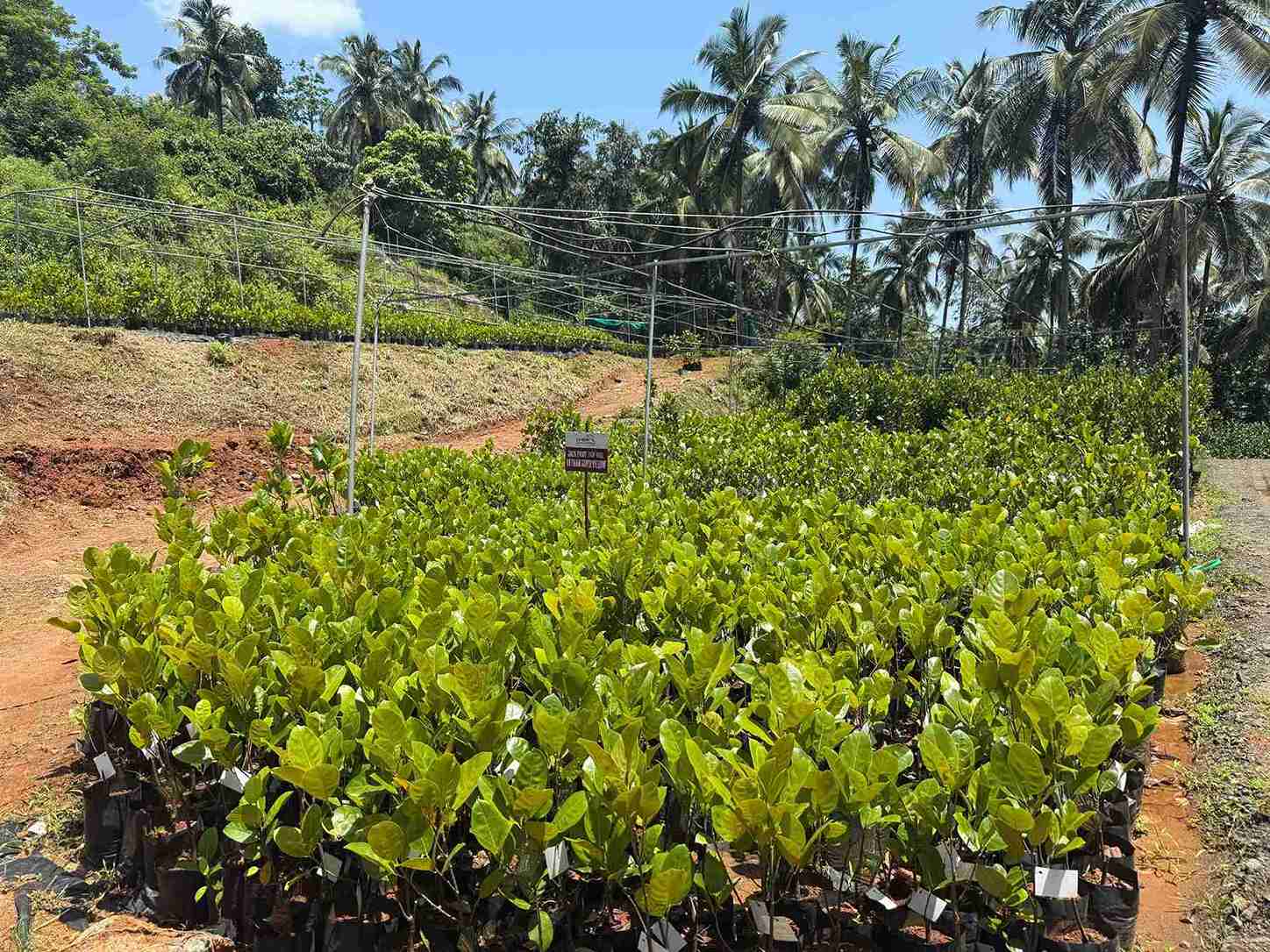
- 6 acres are used for sapling production.
- 10 acres serve as a sales and display centre.
- 4 acres are maintained as mother plant orchards.
Had this land not been developed in this way, it would likely have become an overgrown habitat for wild animals, creating problems for nearby communities.
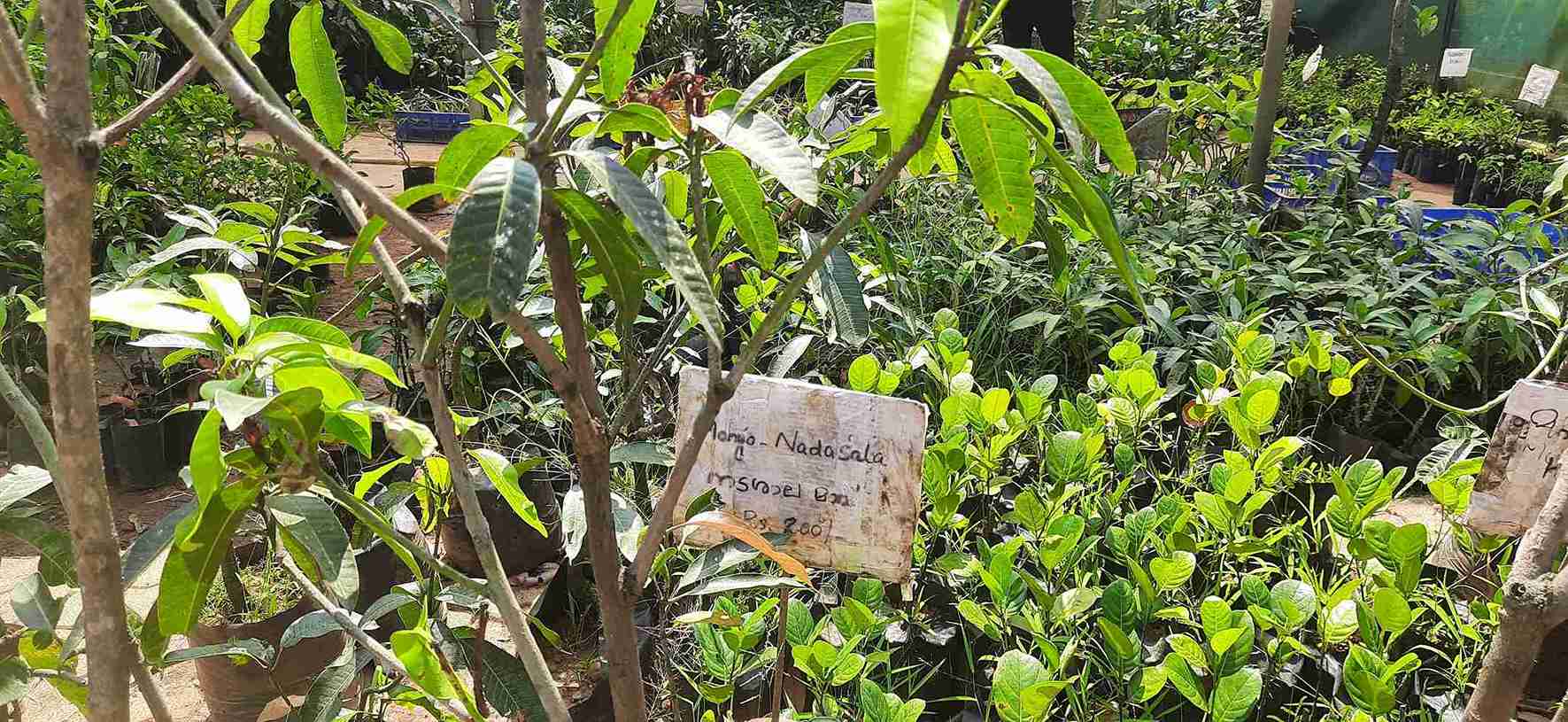
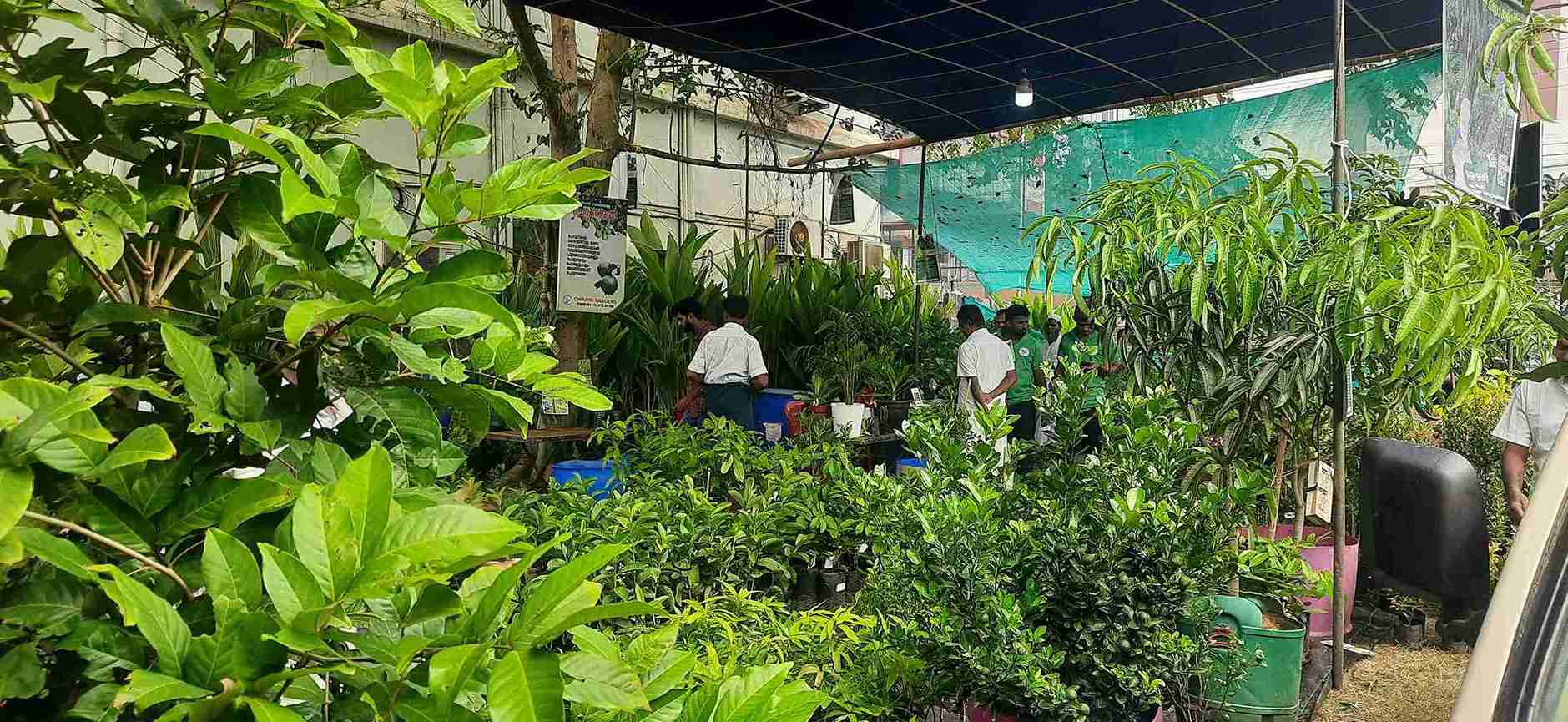
A Wide Variety of Plants
Chirayil Gardens is home to:
- More than 50 varieties of mango
- 12 varieties of jackfruit
- 7 varieties of rambutan
- 4 Varieties of Sapota (Chikoo)
- 2 varieties each of cashew, black pepper, and arecanut
- 5 layered varieties each of longan and rose apple
- Tropical butter fruit
- Abiu
- Miracle Fruit
- Nutmeg
- And many other nutritious and delicious fruit trees.
One of our unique attractions is multi-grafted mango trees carrying two to eight different mango varieties on a single tree. This is particularly beneficial for those with limited space who wish to grow multiple varieties. All our plants are carefully selected and propagated to suit local climatic conditions.
Supplying Saplings Across Malabar
There are approximately 600 nurseries across the Malabar region. Nearly 300 nurseries currently source planting materials from Chirayil Agro Farm. Over the past four years, we have sold more than 10 lakh saplings through wholesale and retail channels. Interest in farming and home gardening continues to grow, and we are pleased to assist customers in establishing orchards wherever suitable land is available.
Changing Food Habits
Food habits are changing, and chemical-free produce is becoming increasingly difficult to find. We carefully cultivate saplings using natural fertilizers, capable of producing high-quality jackfruits, mangoes, and many other fruits, enabling families to enjoy healthier harvests.
Thriving Even in Hot Climates
Many exotic fruit species do not adapt well to our climate and often fail to thrive. At Chirayil Gardens, we collect propagation material only from mother trees that have already proven themselves under local climatic conditions. As a result, our saplings are well adapted, reducing climate-related risks and ensuring reliable performance.
Avocados That Flourish in Warm Weather
Avocado is generally not considered a crop suited to our region. Only a few trees bear fruit successfully here. However, we identified avocado trees growing and fruiting well in hot climates, selected these superior trees, and propagated them. If our high-yield avocado saplings fail to perform as promised, we are committed to compensating our customers, reflecting our confidence in the quality of our planting material.
Supporting Livelihoods
Although this initiative began to secure employment for former quarry workers, it has since created opportunities for many others. We are developing plans to generate even more direct and indirect employment in the future. We also support individuals in raising saplings as a cottage industry and assist them with marketing. We are considering a buy-back programme under which we would purchase quality saplings produced by small growers and supply them to nurseries. We believe this initiative can nurture many small-scale farmers and rural entrepreneurs.
A Quarry Need Not Become Wasteland
Quarries are generally established on rocky land that is unsuitable for agriculture or other productive uses. While quarrying is often criticised as environmental exploitation, the materials extracted are essential for development and infrastructure.
Rather than leaving exhausted quarry land barren, we chose to restore it in a way that benefits both nature and society. Quarries contribute to roads and other infrastructure projects that support regional development. Many quarry sites also serve communities by storing rainwater that can help address drinking water shortages. Chirayil Gardens actively encourages and promotes such socially responsible initiatives, always striving to contribute positively to the development of our community.
Looking for Exceptional Fruit Trees?
We are constantly searching for rare, healthy, and high-performing fruit tree varieties.
Just as we identified locally adapted avocado trees, we continue to locate superior fruit trees growing in our region, evaluate their performance, and propagate only the best for farmers and home gardeners.
Wherever exceptional fruit trees are found, Chirayil Gardens will be there to bring them to you.
Growing the Next Generation of Farmers
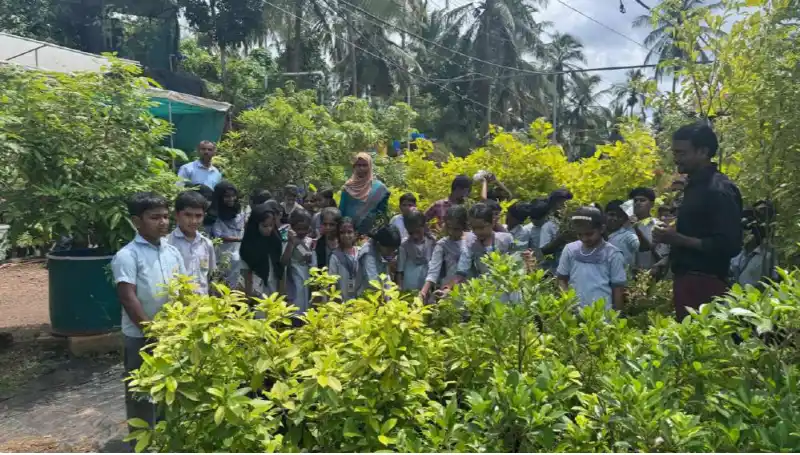
We believe that encouraging the younger generation to connect with farming is essential for the future of agriculture. Through awareness programmes and practical activities, we aim to introduce school students to the importance of plants, fruit cultivation, and sustainable farming practices. We also plan to work with Krishibhavan members, farmers, home gardeners, self-help groups, and other interested individuals by providing guidance on sapling cultivation and fruit farming. These programmes can help participants gain practical knowledge, develop small-scale farming opportunities, and make better use of available land. By bringing together students, farmers, agricultural communities, and gardening enthusiasts, we hope to create greater awareness about farming and encourage more people to grow fruit-bearing plants in their homes, farms, and communities.